Right Here, Right Now: Brighton FC and the Masterclass in Markup and Margin
By Padraig O'Donnell
31 August 2026 · 7 min read
I love sitting down at the weekend to catch a premier league game or two, or at the very least tuning into Match of the Day. As a new dad, that's harder than it used to be, but I still try.
I was watching last week's Premier League round-up when a comment from Tim Sherwood on Sky Sports caught my attention. Talking about Brentford, he suggested clubs should be trying to buy their backroom staff and scouting department, not their players. It was a great compliment to what Brentford have built, and it got me thinking about what sits behind the players we see on the pitch.
That led me to Brentford and how they have built an incredible team, but also to think about Brighton. Both clubs have climbed through the divisions and established themselves in the Premier League, without the financial firepower of many rivals, but with organisations that are genuinely good at finding and developing talent.
I'll come back to Brentford another time. For now, Brighton. As I write this, they've just sold Carlos Baleba to Manchester United for an initial £65m.
Manager Fabian Hürzeler has been open about the club's model: developing players who eventually attract bigger clubs is part of Brighton's identity. The challenge isn't stopping that, it's staying good enough to keep finding the next player to back fill the one that left and also one that can be transferred in the future for a profit.
This approach isn't new either. Over the last few years, we've seen aremarkable succession of players come through the club and leave for significantly more than Brighton paid for them. Marc Cucurella arrived in 2021 for around £15m and left for Chelsea the following year for around £60m. Moisés Caicedo joined that same summer for around £4.5m and was sold to Chelsea in 2023 for around £115m, while Alexis Mac Allister, who joined Brighton in 2019 for £6.9m, left for Liverpool in 2023 for an initial £35m. Carlos Baleba has become the latest example of this pattern, arriving from Lille in 2023 for a reported £23.2m before moving to Manchester United for that initial £65m fee.
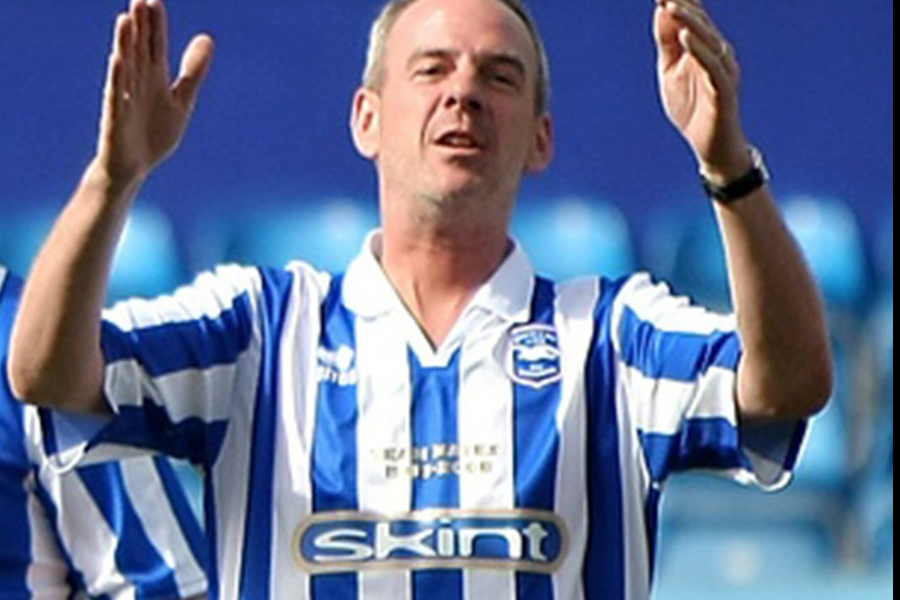
Brighton have interested me for other reasons too, long before they reached the Premier League in 2017. As a music fan, I remember Skint Records, the label founded by Norman Cook, aka Fatboy Slim, sponsoring the club's shirt for years. Cook was also a club director, which made the tie between club, city and label even more interesting.
The turnaround has been remarkable. After leaving the Goldstone Ground in 1997, Brighton spent over a decade at Withdean Stadium, an athletics venue with a running track and limited facilities, never a proper long-term home. A long campaign eventually secured the Amex in 2011. They finally reached the top flight that year and haven't looked back. Brighton really have come a long way since then.
All of this is what makes Brighton so interesting to me. Their sustained success in the transfer market got me thinking about my own work in pricing, and how I'd view the end of a transfer window through the same lens: price, margin, return.
The Markup vs Margin Problem
A good place to start would be something I've probably spent a lot of time in my career explaining: the difference between markup and margin.
When you look at how transfer deals are reported, it is easy to get caught up in the headline numbers. A player was bought for £20m and sold for £60m, so the story becomes that the club has made £40m profit or trebled its money. The numbers are true, but they don't necessarily tell the whole story.
In my experience, people often say to me, "We're making 10%," and my first question is usually, "Is that 10% margin or mark up?" The two numbers are describing the same transaction from different perspectives, and the difference can be significant.
Markup tells you how much you've added to your cost. Margin tells you how much of the selling price you actually have retained as profit. Football gives us a pretty good example because a transfer is, in many ways, a pricing and investment decision. A club buys a player, invests in the player, hopefully increases the value and eventually decides what price it is willing to sell the player on for.
Carlos Baleba gives us a particularly good example to show this.
Let's Talk Baleba
Brighton signed Baleba from Lille in 2023 for a reported £23.2m. Three years later, Manchester United completed his signing for an initial £65m gross profit.
Using the £65m guaranteed figure, Brighton paid £23.2m and received £65m, leaving a difference of £41.8m between the two transfer fees.
Now we can see the difference between markup and margin.
Markup: £41.8m ÷ £23.2m = 180%
Margin: £41.8m ÷ £65m = 64.3%
Same £41.8m difference, two very different percentages.
The markup is calculated against what Brighton paid. The margin is calculated against what Manchester United paid. That distinction matters because the same transaction can look very different depending on which measure you use.
But What Did Brighton Actually Make?
There is another important point, though. That £41.8m is the gross profit, not Brighton's net profit.
Baleba didn't arrive at the Amex, sit on Brighton beach for three years and then get sold for £65m. Brighton paid his transfer fee, his wages and the costs associated with recruiting and developing him. There are also contractual arrangements and other costs that we can't see from the headline transfer figures.
More importantly, Brighton had £23.2m tied up in Baleba for three years.
That brings us to a question that is often missed when we look at a football transfer purely as a buy and sell transaction: what did that investment actually return?
From Profit to Return
Imagine Brighton had put that £23.2m somewhere else in 2023. If they left the money in the bank it could have earned interest, it could have been invested in another player or been used elsewhere in the club.
Instead, they committed it to signing Baleba. There is therefore a cost to that capital. If the investment was funded through borrowing, there would be an actual interest cost. Even if Brighton funded it from their own cash, there is still an opportunity cost because that money could have been used elsewhere.
Then add the cost of developing the player. Coaching, training, medical support, facilities, analysis and all the other resources required to turn a talented 19 year old into a player Manchester United are prepared to pay £65m for.
The £41.8m gross profit is useful, but it isn't the full return. To understand that, we would need to know the total capital Brighton committed, the actual costs involved in developing Baleba, how long the capital used was tied up and what it cost them to finance it.
That is where ROI and ROCE become more useful than simply looking at the transfer fee. A great transfer, like any trade or deal, isn't simply one where you sell something for more than you paid for it. It's one where the return you generate justifies the capital, time and resources you committed to creating that return.
The Bigger Picture
The Baleba deal is another example of a model Brighton have now demonstrated repeatedly. The success of players such as Cucurella, Caicedo and Mac Allister shows that this isn't simply about finding one great player and getting lucky with the sale.
Brighton have built a repeatable capability around identifying talent, developing it and creating value from those investments.
So next time you see a reported transfer fee paid for a player, don't just look at the number in isolation. Ask yourself what the markup was, what the margin was, what it cost the club to nurture the player and, ultimately, try to take a guess at what return the investment generated.
Because whether you're buying a footballer or making any other investment, markup is not margin, margin is not profit, and profit is not return.
Blog by Padraig O'Donnell