The Norwegian Method: Building a System for Success
By Padraig O'Donnell
26 October 2026 · 6 min read
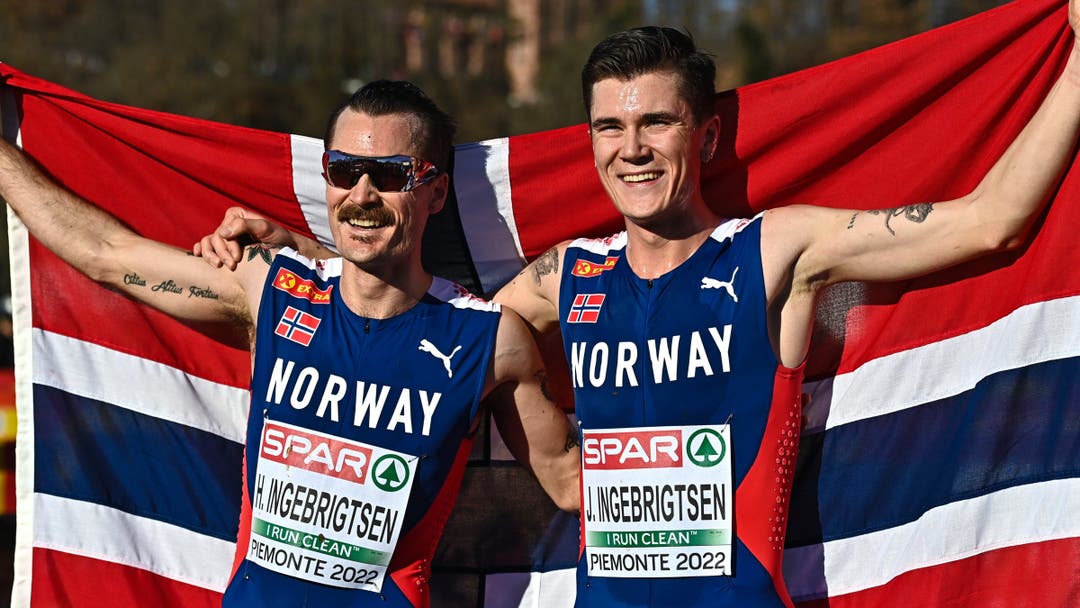
A few months ago, I watched the European 5,000m final in Birmingham, where Jakob Ingebrigtsen produced an incredible finish to win. Also equally as interesting was this was his first race in 324 days after surgery on his Achilles tendon. This fact grabbed my attention as here was a guy who had spent 12 months away from competition, sitting in prime position tucked inbehind the leaders crusing effortlessly. Then coming off the final bend, he found a gap, put the boot down and flew past them all. I didn't know much about Ingebrigtsen so I started doing what I normally do go straight to google.
When you think of Norwegian sport, skiing and winter sports probably come to mind first. Yet Jakob is an Olympic and world champion, with multiple world records to his name. His older brothers, Henrik and Filip, were European champions in their own right. Three elite middle-distance runners from the same family. I was intrigued and wanted to findout more about Norway's unlikely success on the track?
Google sent me down a rabbit hole, where I discovered the Norwegian Method. Anyone who knows me will tell you I'm certainly not much of a middle distance athlete I am built more for comfort rather than speed and I am far from a running expert so this was all new to me. However I have always enjoyed learning about training techniques and people using data to improve performance.
The Norwegian Method really interested me because my initial reaction was simple: that makes sense! Training is carefully managed, results are measured and the approach adjusted over time. The aim isn't to work as hard as possible every day, but to build a system that delivers results over the long term.
There are obvious parallels with business. Companies often respond to growth by adding people and resources, creating more complexity. Could they achieve the same by leaning on data and better systems?
I wanted to explore this through Too Good To Go, a company I first encountered while working at Circle K, where we partnered to reduce food waste. I've followed their progress since then and have been interested in how they use data and AI to improve day-to-day operations, particularly around surplus stock and pricing.
What Makes the Norwegian Method Different?
The Ingebrigtsen family didn't invent the approach. The Norwegian Method grew out of a wider tradition of Norwegian endurance training, with former runner Marius Bakken helping develop the lactate-controlled approach. The Ingebrigtsen family built their own training system around these principles and helped bring them to wider attention.
Jakob acknowledged this in an interview with The Times in March 2024:
“The philosophy was not founded by us, but it was put in our system and has revolutionised the world of running.”
Blood lactate testing helps athletes understand how their bodies respond to training. By measuring lactate levels, they can control the intensity of sessions and manage fatigue, allowing them to keep training consistently without pushing too hard.
The idea is simple: train hard enough to improve, but not so hard that you compromise the next session. It's about getting the balance right over time.
In my view there is a clear parallel with business and how businesses can enhance their performance or growth strategies.
I feel there are similar parallels with The Norwegian Method and with how businesses manage day-to-day operations and look to scale. Rather than simply adding more people or resources, could better use of data help a business make smarter decisions and get more from what it already has?
Too Good To Go a company I encountere while working with Circke K is an example of this in practice, using data and AI to help retailers manage surplus food, adjust prices and sell products that might otherwise go to waste.
Too Good To Go: Making What You Have Go Further
There's an interesting parallel here. The Norwegian Method is about developing an athlete's natural ability, while Too Good To Go helps retailers sell food that might otherwise go to waste. One uses carefully managed training and data to improve athletic performance; the other uses technology, pricing and customer demand to tackle food waste.
The concept behind Too Good To Go is straightforward. Retailers list surplus food through the app at a discounted price, customers buy a Surprise Bag and collect it from the store, and businesses recover some value from stock that might otherwise be thrown away.
I first came across Too Good To Go while working at Circle K, when there we partnered with the company to reduce food waste at filling stations. The partnership in Ireland has since expanded to more than 120 stores. A typical Deal for Two Surprise Bag contains two sandwiches and two pastries worth around €15 for €4.99. By February 2026, more than two million Surprise Bags had been saved in Ireland since the service launched in 2021.
Beyond connecting retailers with customers, Too Good To Go has developed technology to help businesses manage surplus stock. Its use of data and AI helps retailers make informed decisions about products approaching their expiry dates and the discounts needed to sell them.
The company also uses data to power dynamic pricing, drawing on historical sales data to adjust Surprise Bag prices during the sales window. Too Good To Go says this can increase earnings from Surprise Bags by up to 30%.
AI has also helped Too Good To Go understand why some retail partners stop using the platform. By analysing thousands of interactions, it identified recurring problems, including confusion around the scheduling feature. That gave the company a clearer picture of where it needed to improve communication and the user experience, without someone having to read through every conversation manually.
The Great Leveller
What I find most interesting is how technology and data could give smaller players a chance to compete with those who have traditionally had clear advantages. The Norwegian Method shows how athletes can use performance data to optimise their training. In business, AI can process information on a scale that would be difficult and time-consuming to manage manually.
For me, the real value of AI isn't just doing things faster. It's being able to use it look and model information differently and spot things you might otherwise miss.
Norway isn't the first country that springs to mind when you think of distance running powerhouses, yet look at the athletes they've produced. There's a lesson here for smaller businesses too because tools that would have cost a small fortune or been out of reach a few years ago are now much more accessible with AI and good data.
That creates an opportunity to grow and compete today without having to lean on more people and resources to scale a business.
Blog by Padraig O'Donnell